
Sports Nutrition Guidance for Football Players
Growing young athletes need consistent, nutrient-dense fueling to support both their physical development and the high energy demands of the football season. Because they are still growing and building bone density while burning hundreds of calories on the field – you want to avoid under-fueling which can lead to fatigue, stunted growth, and increased risk of injuries like stress fractures. Focus on adequate nutrition, hydration and timing of meals and snacks.
THE DAILY FUELING STRATEGY
Rather than focusing on restrictive diets, think of food as fuel. A young football athlete’s plate should generally be split into three main components:
- Carbohydrates (50-60% of total calories): This is the body’s primary energy source. Focus on complex carbohydrates like whole-grain breads, pasta, brown rice, oatmeal, and sweet potatoes.
- Lean Protein: Essential for muscle repair and growth. Excellent sources include chicken, turkey, fish, lean beef, eggs, Greek yogurt, beans, and lentils.
- Healthy Fats: Crucial for hormone production and joint health. Incorporate avocados, nuts, seeds, and olive oil.
TIMING OF MEALS
When your child eats is just as important as what they eat. Proper timing prevents cramping and maximizes on-ffootield performance:
| Meal Timing | Goal | Ideal Food Choices |
| 3–4 Hours Before Kickoff | Build up energy reserves and allow full digestion. | A full, balanced meal: Lean protein (chicken), complex carbs (rice or pasta), and a side of vegetables. |
| 30–60 Minutes Before Kickoff | Quick, easily digestible energy boost. | Simple carbohydrates low in protein, fiber, and fat (to avoid cramping): A banana, applesauce, a handful of pretzels, or a slice of toast with a thin layer of jam. |
| During Practice / Games | Maintain stamina (if playing for >60 minutes). | Small pieces of fruit (like orange slices) or a sports drink to replenish carbohydrates and electrolytes. |
| Within 30–60 Minutes After | Jumpstart muscle recovery and glycogen replenishment. | A mix of protein and carbs: Chocolate milk (a gold standard recovery drink), a turkey sandwich, or a protein smoothie with fruit. |
HYDRATION
Dehydration severely impacts performance and increases the risk of heat illness. Young athletes do not always register thirst until they are already dehydrated.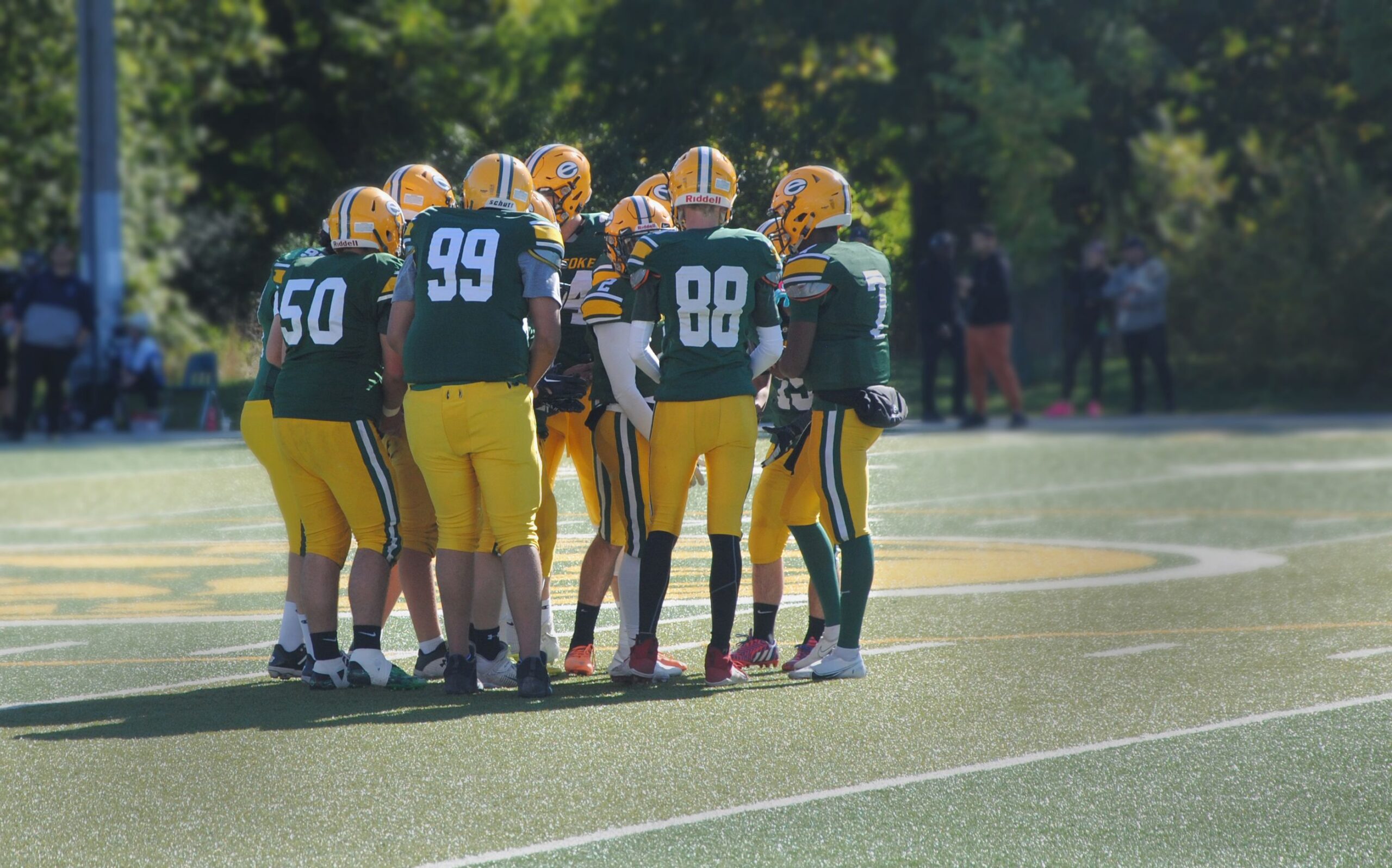
- Baseline: Ensure they drink water consistently throughout the school day, not just right before practice.
- Before: Drink 16–20 ounces of water 2 to 3 hours before activity.
- During: Aim for 4–8 ounces of fluid every 15–20 minutes during play.
- Water vs. Sports Drinks: For practices under an hour, plain water is perfectly fine but anything over that sports drinks are beneficial to replace lost sodium and potassium.
Keep a close eye on your child’s energy levels and mood. Signs that they are not getting enough fuel include chronic fatigue, unexpected weight loss, frequent injuries or muscle cramps, irritability, and a sudden drop in school performance.
Restricting fluid and food to “make weight” can be dangerous for young, growing athletes and causes immediate, severe medical risks. The American Academy of Pediatrics (AAP)—strongly warn against rapid weight loss (RWL) methods in youth sports due to the devastating effects on a child’s developing body. Some of the risks include: severe dehydration, heat illness, increased risk of concussion from dehydration, electrolyte imbalances that can affect cardiac health. Long term consequences can be stunted growth, impaired bone health and hormone disruption.
The best pre-game drinks or snacks consumed 30 to 60 minutes before a meal or kickoff must be rich in fast-digesting carbohydrates and very low in fat, fiber, and heavy protein.
When a young athlete eats a snack in this tight window, the goal is to top off their muscle glycogen tanks and stabilize blood sugar without leaving heavy food sitting in the stomach. Because fat, fiber, and protein slow down digestion, consuming them right before physical activity can lead to sluggishness, nausea, or severe stomach cramps on the field.
Top Football Pre-Game Snacks (<1 Hour Before)
These options provide quick, easily accessible fuel that won’t ruin their appetite for a larger post-game meal:
- Fresh Fruit: bananas, orange slices, grapes, or clementines.
- Fruit Purees: Applesauce pouches (a locker-room favorite because they are shelf-stable, easy on the stomach, and pack roughly 15 grams of fast carbs).
- Simple Grains: Graham crackers, pretzels (which provide a great sodium boost on hot days), or a plain slice of white toast with a thin smear of jam.
- Specially Formulated Bars: Look for energy bars or waffles built for rapid absorption.
Top Football Pre-Game Fluids (<1 Hour Before)
Liquid nutrition is highly effective right before a game, especially for athletes with pre-game jitters who find it hard to chew solid foods:
- Water: Sip 8 to 16 ounces of plain water to lock in baseline hydration.
- Electrolyte Sports Drinks: Traditional sports drinks offer a balanced mix of fluid, sodium, and carbohydrates to accelerate hydration and protect performance during prolonged, high-intensity play.
- Pre-Workout Smoothies: A light, blended smoothie made with a water or dairy-free plant milk base, a banana, and berries provides excellent energy and hydrates at the same time. Avoid heavy dairy milk close to game time, as it takes much longer to break down.
- Sports Fuel Packets: For older youth athletes, clean, caffeine-free carbohydrate powders into water right before warm-ups.
Signs of Being Underfueled (Energy Deficit)
Under fueling occurs when a growing body burns more calories than it consumes. Signs to look for:
- Exhaustion after 8-10 hours of sleep
- Sluggish workouts
- Performance plateaus or regression
- Slow healing injuries
- Brain fog and irritability
- Being cold
Signs of Dehydration (Fluid Deficit)
Dehydration can escalate rapidly during padded football practices. Do not wait for them to complain of thirst, as thirst is a late-stage indicator.
Early Warning Signs:
- Sudden headaches mid-practice or directly after the game.
- A noticeable drop in coordination or reaction times on the field.
- Mild nausea or a sudden loss of appetite.
- Muscle cramping, particularly in the calves, hamstrings, or abdomen.
Advanced Warning Signs (Act Quickly):
- Dark Urine: Apple juice or amber-colored urine (it should ideally look like pale lemonade).
- Infrequent urination or passing a very small amount of fluid.
- A dry, parched mouth and cracked or sticky lips.
- Dizziness, lightheadedness, or feeling faint when standing up.
Want to learn more? Book an appointment today